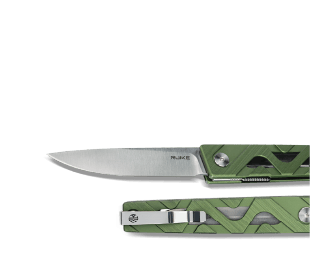
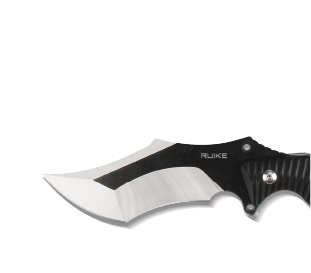
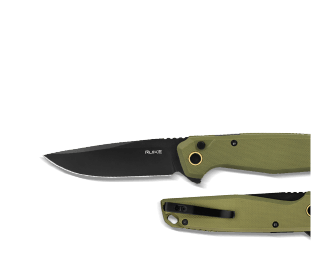
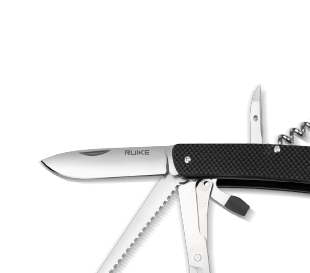
Your first EDC knife should be a 3-inch drop-point folder in a mid-tier stainless steel (think 14C28N, 154CM, or N690), with a reliable liner or frame lock and a grippy G10 or textured FRN handle — that combination handles 95% of daily cutting tasks without overthinking it. Everything else is personalization. Below, I'll walk you through exactly how to match a blade to your real life, what specs actually matter in 2026, and where beginners waste money.
Most first-time buyers pick a knife based on a YouTube review, then discover they're carrying a mini pry bar to open Amazon boxes. Don't do that. Spend a week noticing every time you reach for a blade — and what the blade has to do.
If your week looks like opening packages, slicing an apple at lunch, cutting zip ties, and trimming a loose thread, you need a slicer, not a tactical folder. A 2.75–3.25 inch drop point handles all of that with zero drama. If you're a contractor cutting drywall and shrink wrap daily, you want something heavier with a replaceable edge plan and a stronger lock.
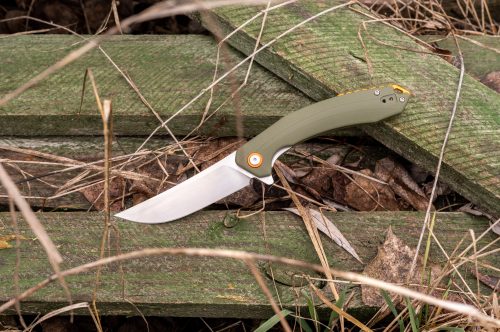
For instance, a graphic designer who commutes by bike told me his previous “tactical” knife sat untouched for months because it was too aggressive to pull out at a cafe. He switched to a slim gentleman's folder with a satin drop point blade and suddenly used it daily. Matching the knife to the social context matters as much as the specs.

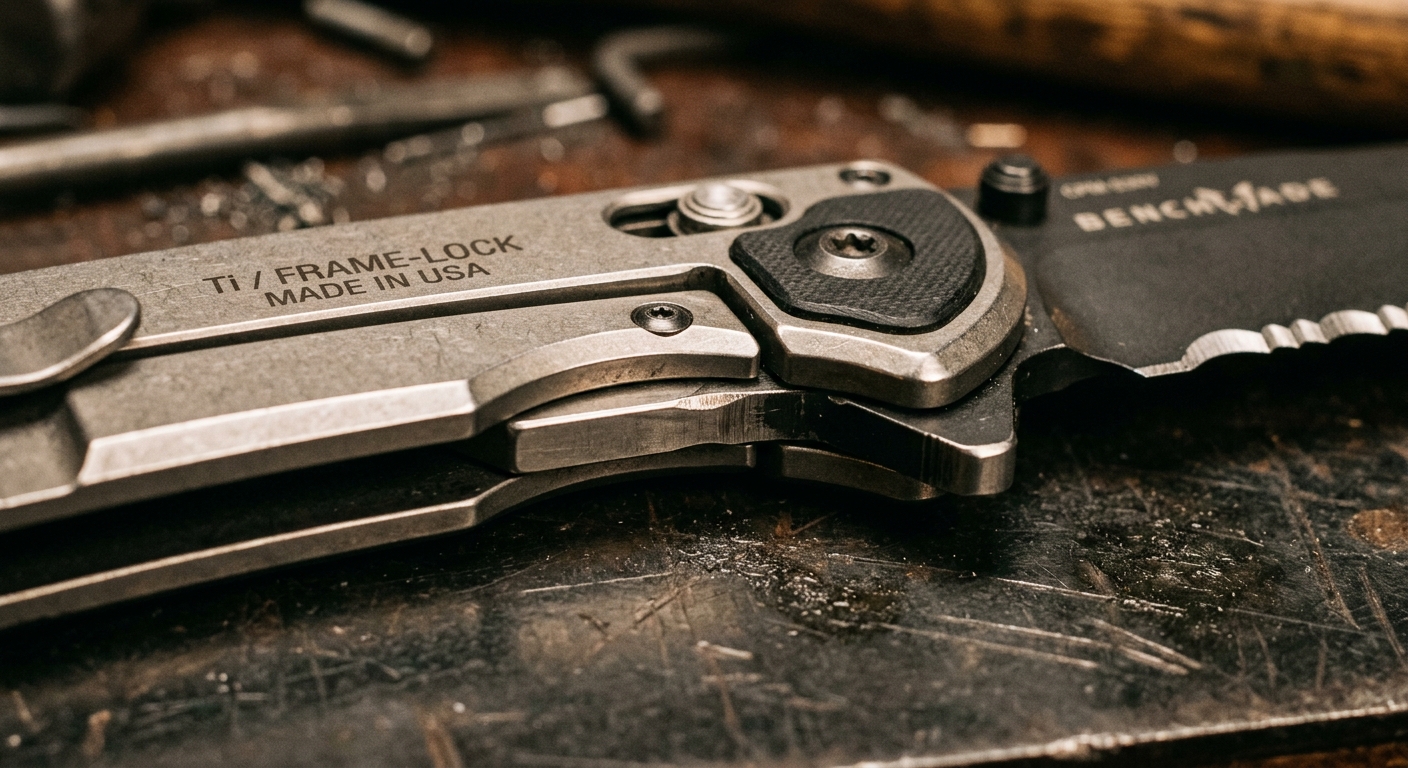
If you're unsure, buy a drop point. Full stop. It's the most versatile blade geometry ever shipped, and it's the shape most experienced carriers default to after years of experimenting.
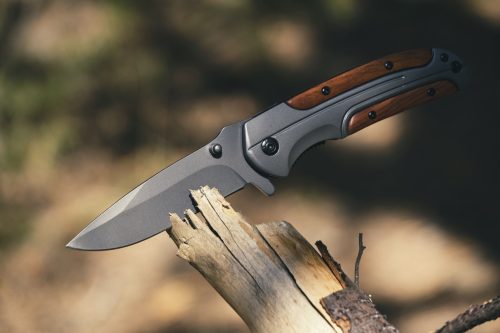
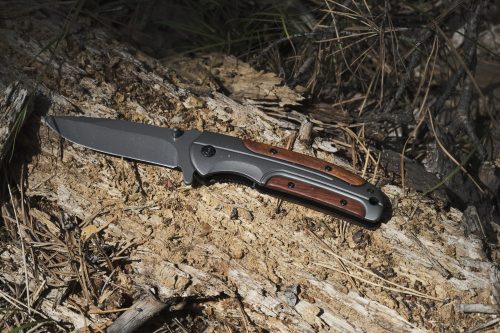
The drop point has a gently curved spine that “drops” to meet the edge at a controllable tip. That gives you a strong point for piercing, a long belly for slicing, and enough flat edge for push cuts. We go deeper in our drop point knife guide, but the short version is: it does everything reasonably well and nothing poorly.
A full rundown of styles lives in our complete guide to pocket knife types.
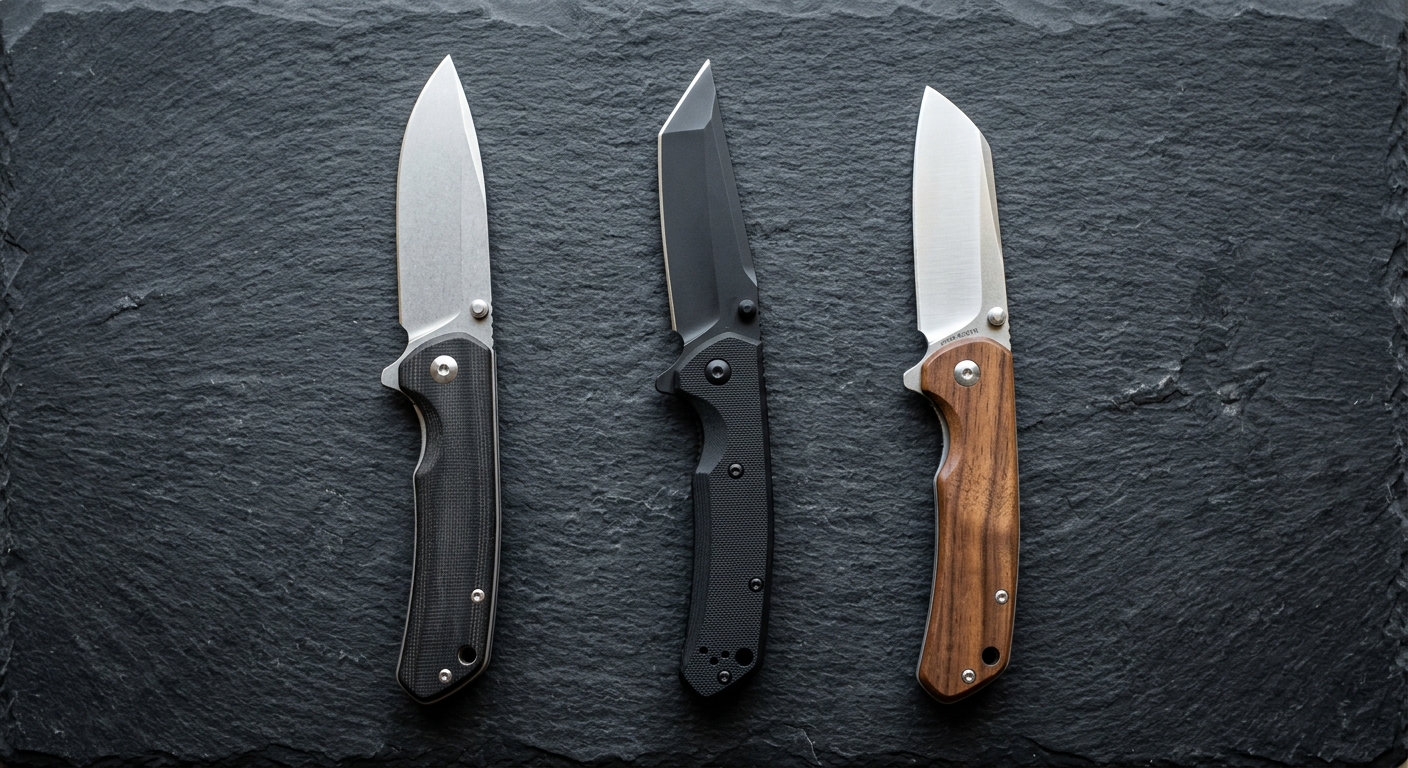
The steel chart rabbit hole will eat your weekend. Here's what actually matters for a first knife: corrosion resistance, edge retention, and how easy it is to sharpen. You can't max all three — better steels trade one for another.
A beginner buying M390 without a diamond stone will eventually end up with a dull knife and a frustrated weekend. Start with something in the middle, learn to sharpen on a cheap ceramic rod, then upgrade.
Also: don't obsess over HRC (Rockwell hardness) numbers alone. A well heat-treated 58 HRC blade will often outperform a poorly treated 61 HRC blade. Brand reputation for heat treatment matters more than the spec sheet.
Every modern lock is “safe enough” when used correctly. The real question is: which one fits your hand and your habits?
If you're left-handed or share your knife, prioritize an ambidextrous lock like a crossbar or a back lock. If it's purely yours and you want maximum bang-for-buck, a quality liner or frame lock is hard to beat.
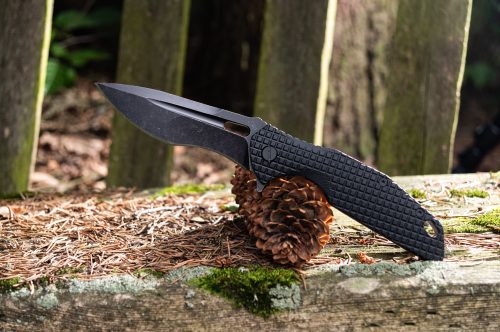
You will hold the handle far more than you'll admire the blade. A 3.5-inch knife used for 20 minutes of real cutting teaches you more about ergonomics than any review video.
Don't overlook ergonomic design — a well-contoured handle in average material outperforms a premium handle that fights your grip.
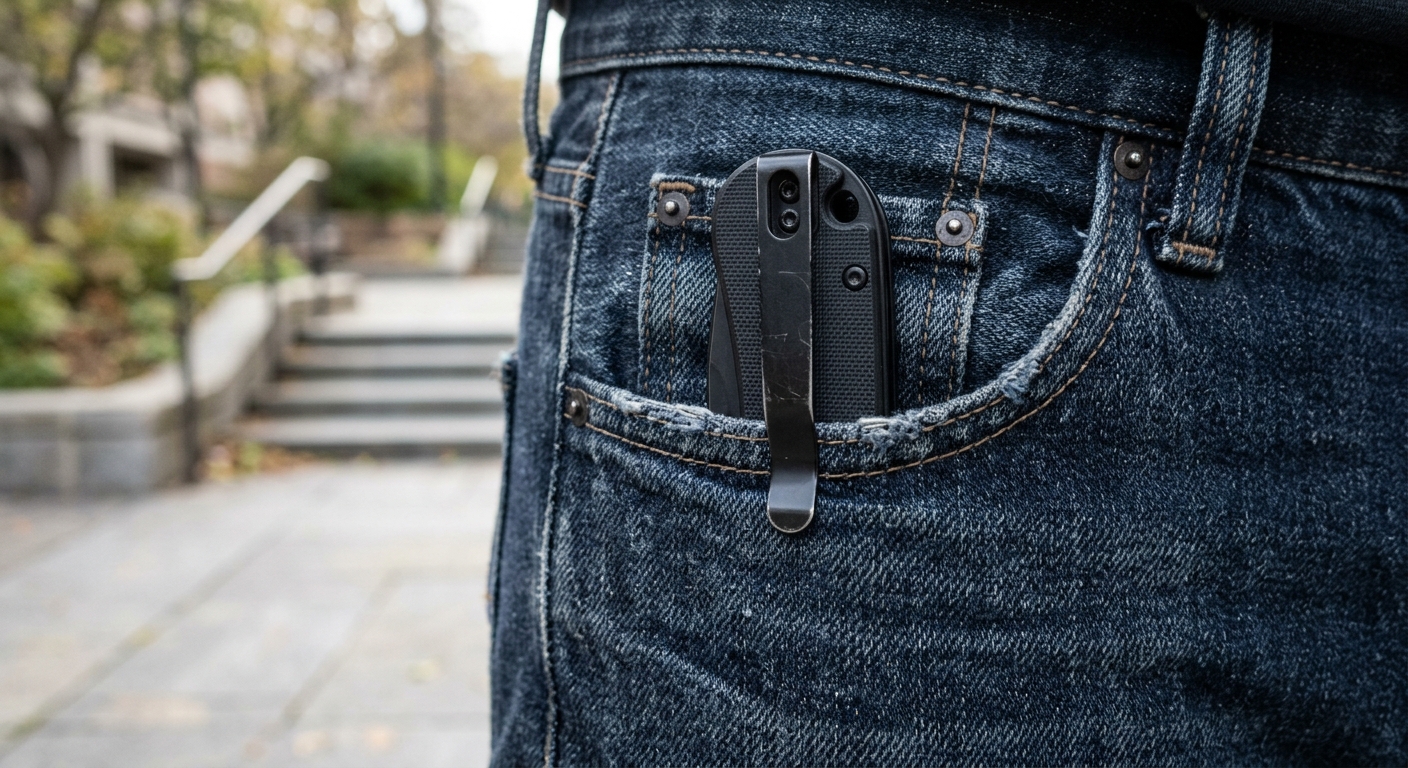
Here's a rule I wish someone had told me: if the knife is heavier than your phone, you'll leave it at home within two weeks.
For daily carry, aim for:
Check your local laws before buying. Blade length limits, assisted-opening restrictions, and auto knife legality vary wildly — even between neighboring cities. A five-minute search saves a very bad afternoon.
You don't need to spend $300 on your first knife. You probably shouldn't. Here's what each tier buys you in 2026:
Entry steels (8Cr, 14C28N), FRN or basic G10, liner locks. Fully functional. Good for deciding what you actually like before upgrading.
Mid-tier steel (154CM, N690, Sandvik 14C28N with great heat treat), proper G10 or micarta, smooth bearings, solid fit and finish. This is where most experienced carriers actually live. You can buy here and never feel the need to upgrade.
Premium steels (S35VN, 20CV), titanium frame locks, ceramic bearings, refined details. You're paying for metallurgy and finish, not dramatic performance gains.
Collector territory. Diminishing returns for pure utility. Buy here because you want to, not because you need to.
Real-world example: a small-business owner we talked to spent $280 on a titanium-framed premium folder, then bought a $75 G10 drop-point six months later because the expensive one felt too precious to actually use at the loading dock. Guess which one lives in his pocket now.
A good EDC knife isn't disposable — but it will act like one if you ignore it. The maintenance routine is embarrassingly simple:
A dull EDC knife is more dangerous than a sharp one because you apply more force and lose control. If you only learn one skill, learn to maintain an edge. It's cheaper than replacing knives and it's genuinely satisfying.
If you're not actually processing firewood, you don't need a survival chopper. Buy for the 99% of Tuesdays, not the 1% zombie scenario.
MagnaCut is excellent. So is plain 14C28N if you sharpen it occasionally. Steel is rarely the weak link in a beginner's kit — technique is.
People obsess over blades and forget that your hand touches the handle for every second of use. Test grip before buying when you can.
A lifetime warranty is only as good as the brand's customer service. Check the warranty policy and read reviews of actual claim experiences.
Your first knife should be used, scratched, learned from. Buy one you're not afraid to drop.
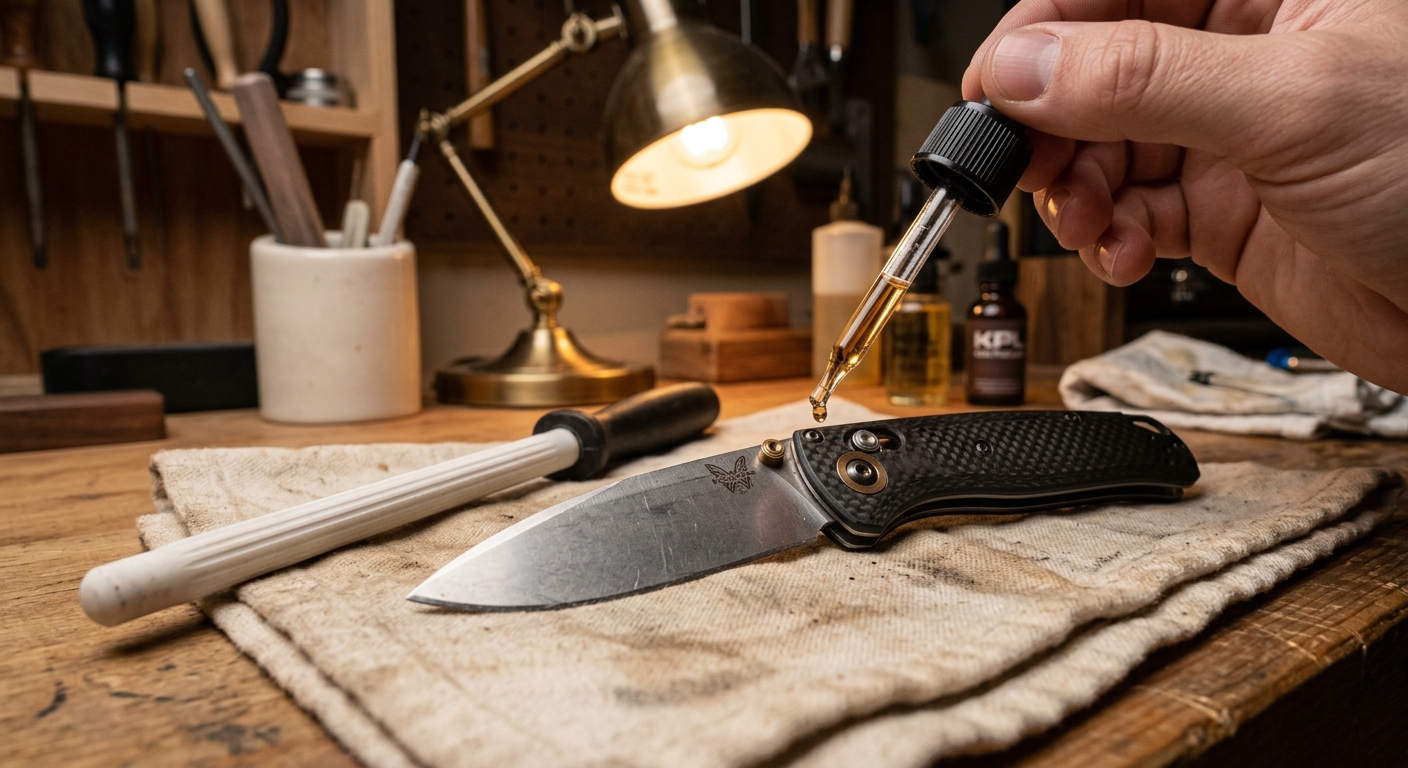
A smart first EDC knife in 2026 looks roughly like this: a 3-inch drop-point blade in 14C28N or 154CM, a liner or frame lock, G10 scales, a deep-carry pocket clip, and a total weight under 4 ounces. Spend $60–$120. Carry it daily. Sharpen it every few months. In six months you'll know exactly what to upgrade to — because you'll know how you actually use a knife.
If you want a shortcut, browse the Ruike lineup — our everyday folders are built around exactly this philosophy: honest steel, real ergonomics, no marketing theater. Start at the Ruike homepage or find a local seller through our dealer network, and pick the one that feels right in your hand.