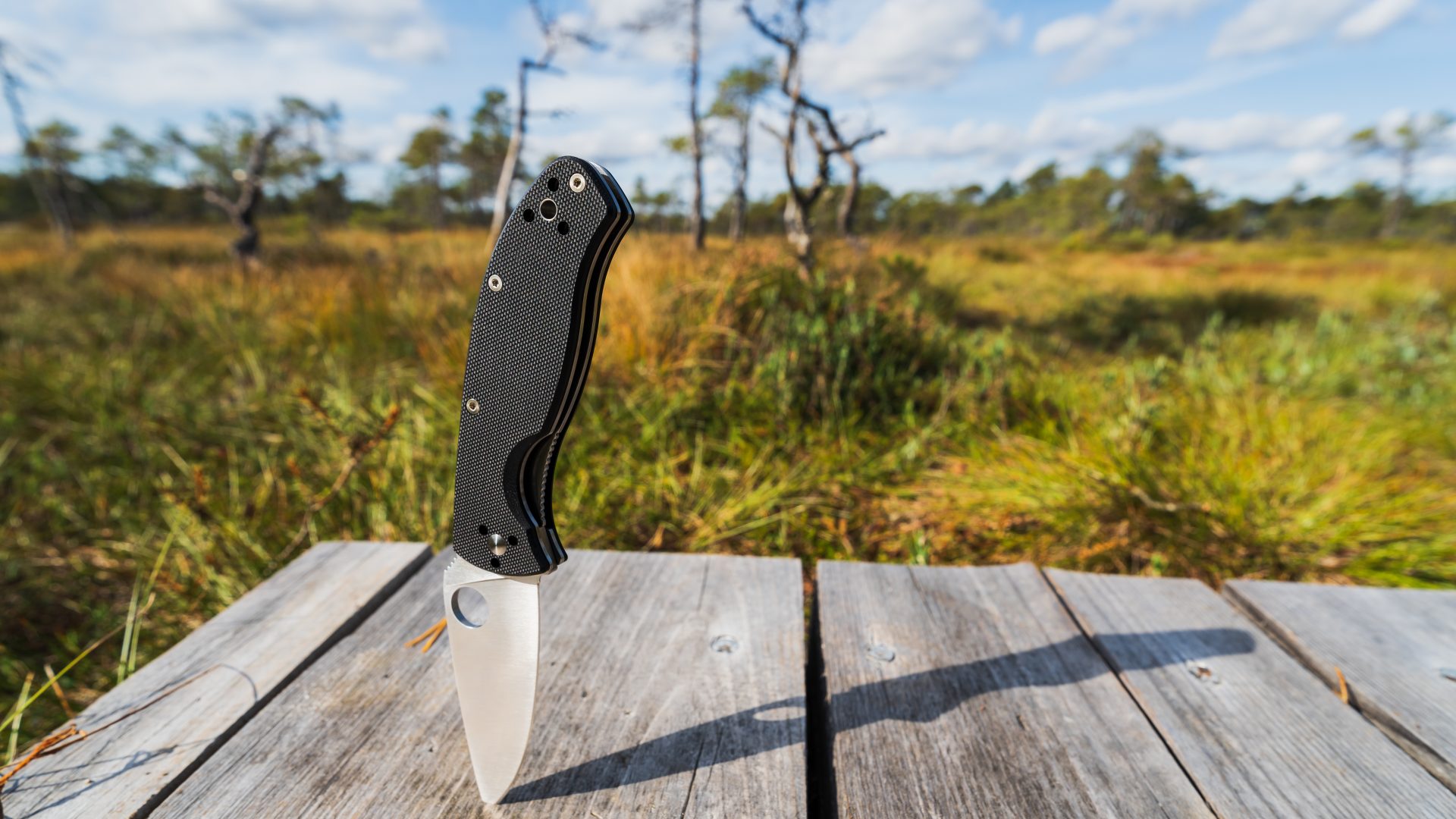
Most people do not need more knives. They need the right knife type for the job they actually do.
This guide starts from real tasks and maps them to the three main knife types you will see on RUIKE, then helps you choose blade shape, lock style, opening method, and blade size so the knife performs the way you expect in daily carry, camp work, and field use.
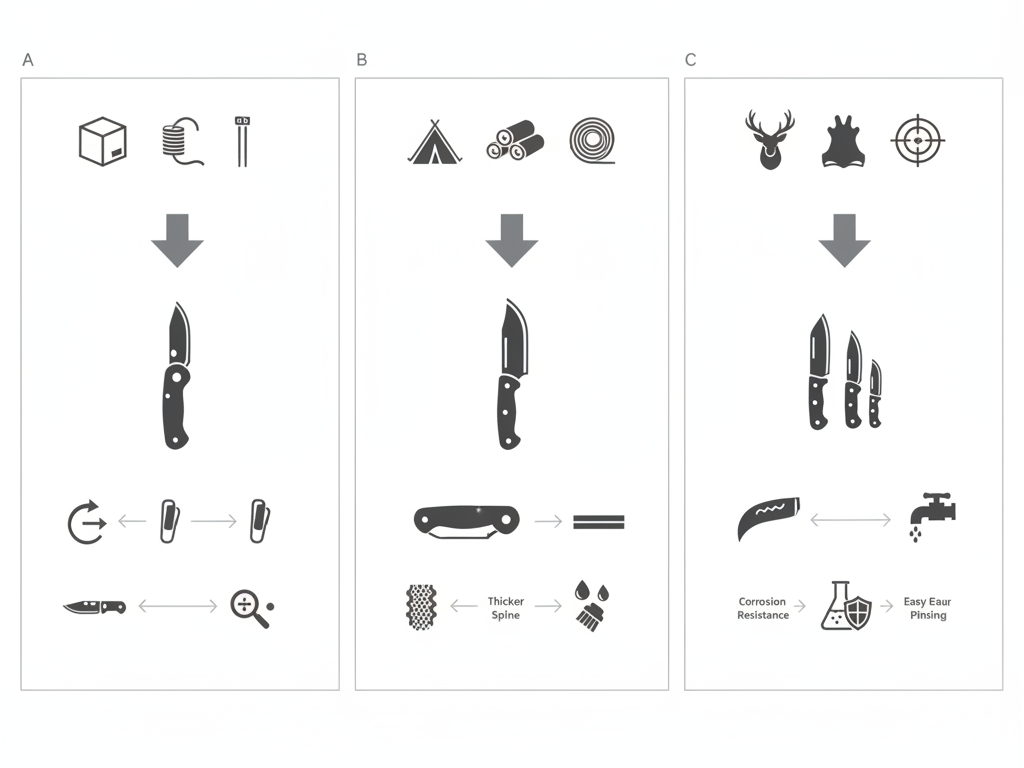
Choosing by name alone is how people end up with a knife they stop carrying. Start with what you cut, how often you cut, and how much control you need.
Typical EDC tasks include opening packages, cutting zip ties, trimming cord, breaking down cardboard, and quick food prep away from the kitchen.
What matters most for EDC is carry comfort and control.
If a knife is too large, too heavy, or awkward to deploy, it stays at home. That is the biggest failure mode for EDC.
Camping and outdoor chores put different stress on a knife. You may cut rope under tension, shave kindling, process small branches, prep food, or handle wet and dirty work.
What matters here is strength and grip confidence.
For repeated camp tasks, reliability matters more than maximum sharpness.
Hunting and field processing require a knife that stays controlled when your hands are tired and conditions are messy. The work often shifts between long slicing cuts and careful tip work.
What matters most is controlled cutting geometry and easy cleanup.
For these tasks, consistent control beats aggressive blade styling.
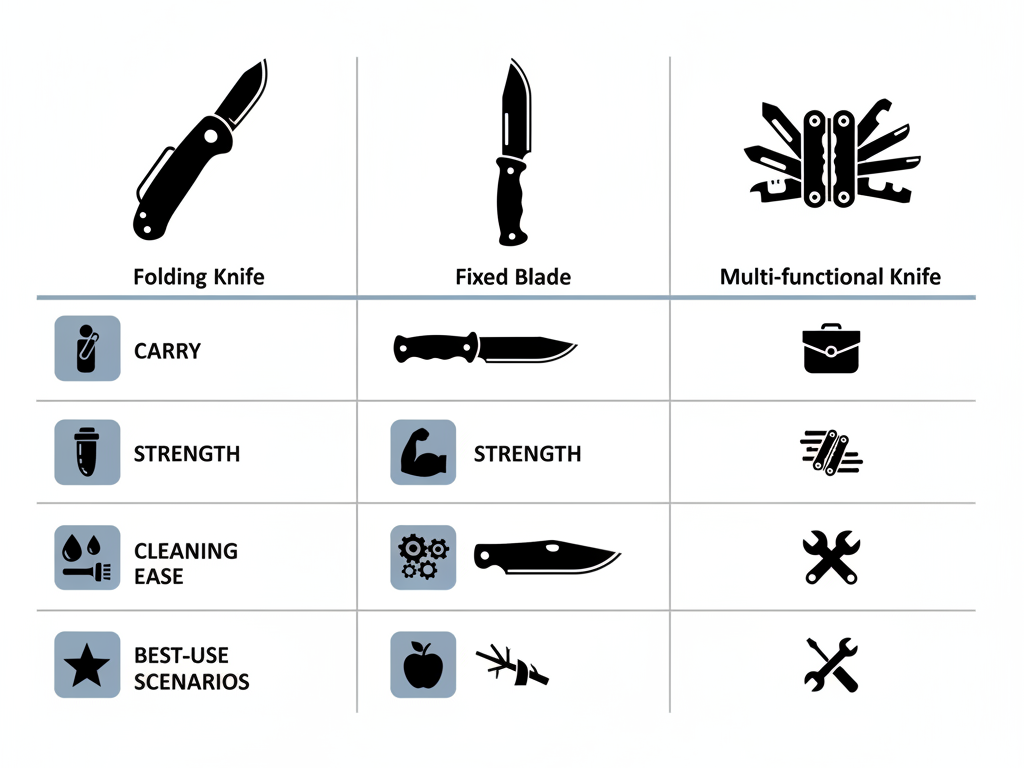
If you only remember one thing, remember this.
Folding knives are for carry-first convenience. Fixed blades are for strength and speed of maintenance. Multi-functional knives are for tool coverage when space is limited.
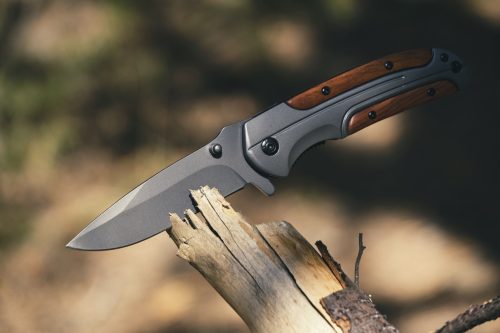
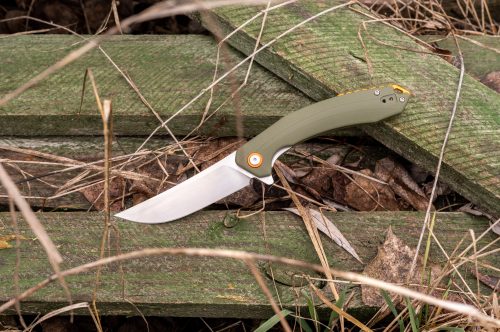
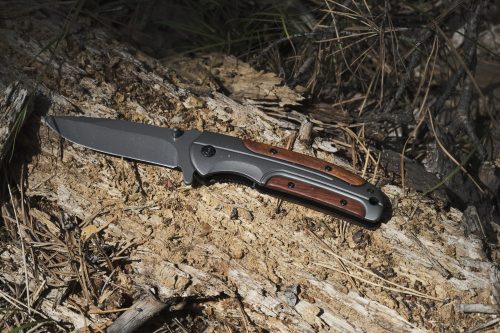
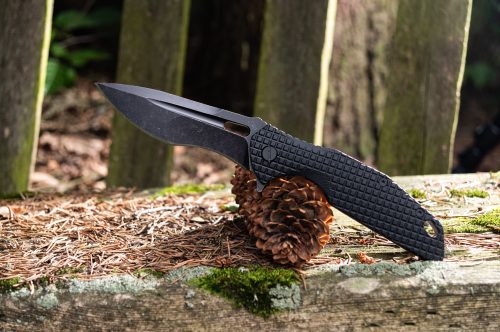
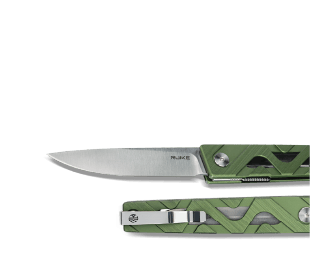
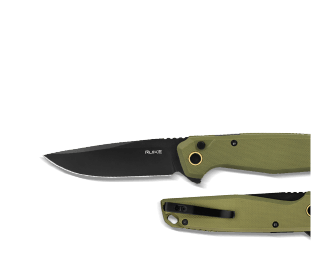
A folding knife is the most common type for EDC because it carries safely in a pocket and is ready for fast utility cuts.
Best uses
What to watch
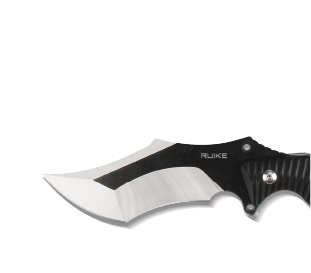
Fixed blades are simple and strong. There is no pivot, no lock interface, and no folding mechanism. That makes them easier to clean and more confidence-inspiring when the work is dirty or repetitive.
Best uses
What to watch
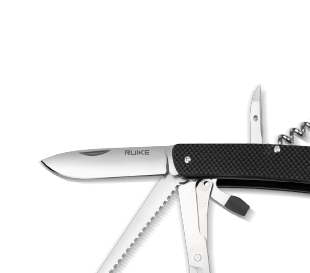
Multi-functional knives are about coverage. If you need scissors, a file, or a small driver more often than you need heavy cutting, a multi-functional setup can make more sense than a larger blade.
Best uses
What to watch
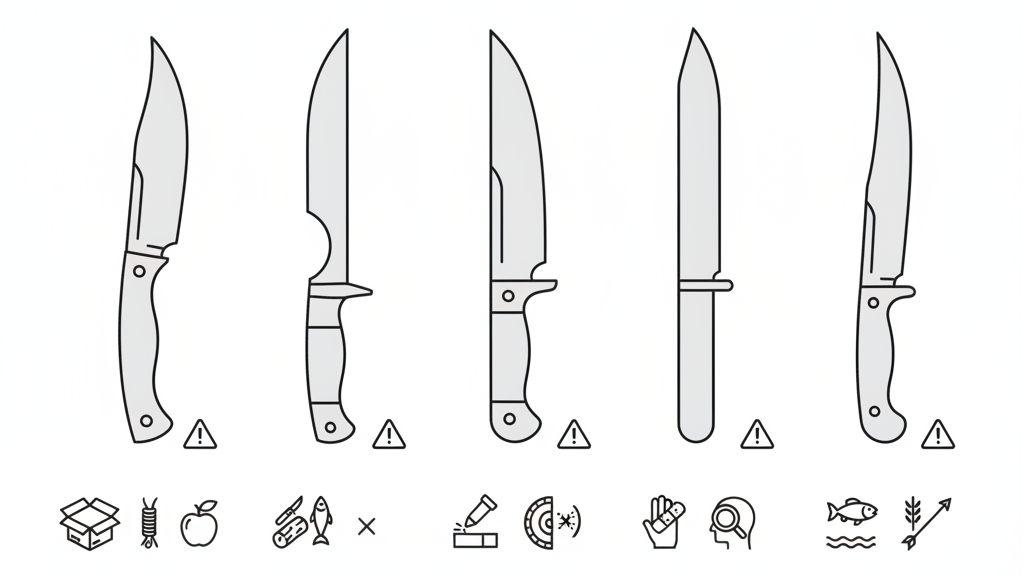
Blade shape changes how the tip behaves, how the belly slices, and how the edge contacts material. If you want a knife that feels right immediately, focus here.
Drop point blades have a strong, centered tip and a smooth curve into the edge. They feel stable and predictable in most cutting angles.
Best uses
Why people like it
Clip points narrow toward the tip and often feel more precise for detail cuts. The tip can be more aggressive for starting cuts.
Best uses
Watch for
Tanto-style blades emphasize a reinforced tip section. They are often chosen when tip strength is the priority.
Best uses
Watch for
These shapes keep the tip low and emphasize straight, controlled cutting. They reduce the chance of accidental puncture and are excellent for draw cuts.
Best uses
Why people choose it
Trailing point blades lift the tip and add belly for long slicing strokes. They are common in tasks that favor continuous, smooth cuts.
Best uses
Watch for
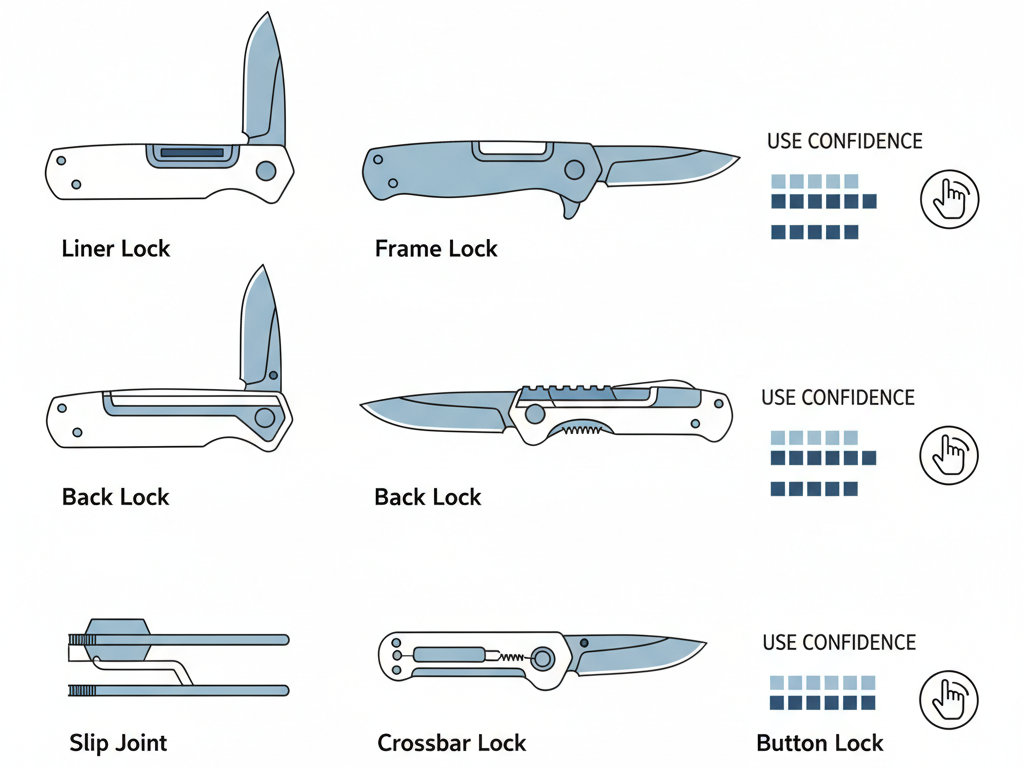
Lock choice is not a spec to collect. It changes how safe the knife feels and how you close it under stress.
If you cut harder materials, cut frequently, or cut in awkward positions, choose a lock that feels stable and easy to operate for you.
Liner locks are common in EDC folding knives. They can be reliable and simple in typical daily cuts.
Best for
Frame locks use the handle frame as the locking element. They often feel more rigid in hand and are popular for harder-use folders.
Best for
Slip joint knives do not lock. They rely on spring tension. This can be useful where a non-locking knife is preferred.
Best for
Key habit
Back locks can provide strong lock engagement and are often easy to understand and trust.
Best for
These styles can be fast to use and convenient for one-hand opening and closing.
Best for
The real test
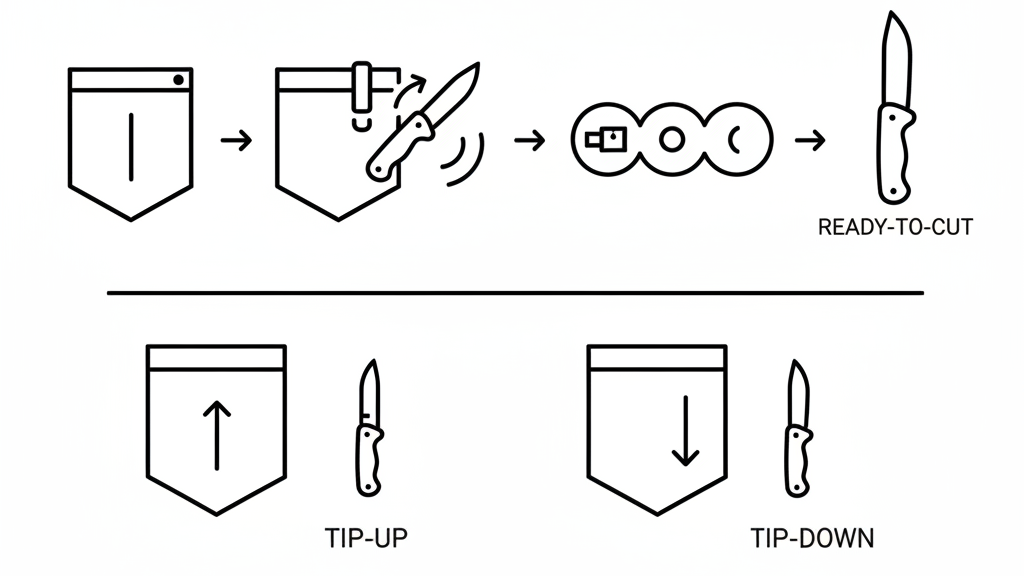
How the knife opens determines whether you use it when you need it. How it rides in your pocket determines whether it is there at all.
These are popular for EDC because the motion becomes automatic with practice.
Best for
Nail nick styles are slower and more deliberate. They can be a good fit for users who prefer a controlled, traditional opening method.
Best for
Carry orientation changes access speed and feel.
Practical guidance
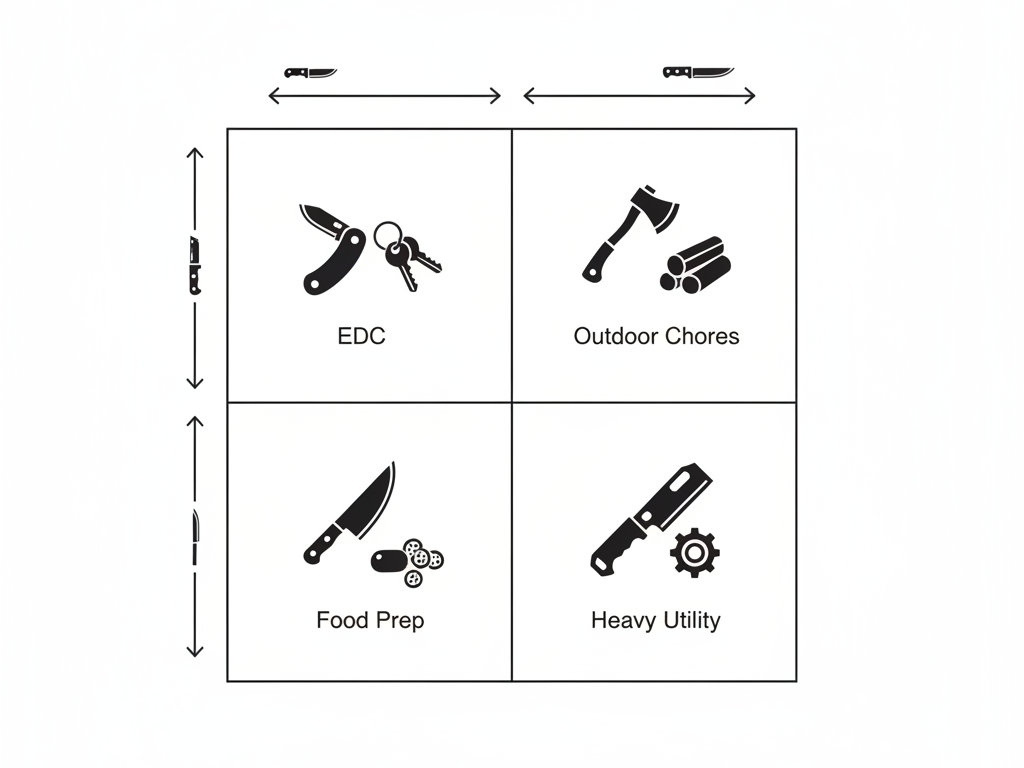
Blade length and thickness are where intent becomes reality. A knife can be excellent on paper and wrong for your daily work.
Short blades feel precise and safe in tight spaces.
Best for
Mid-size blades are the most versatile for people who want one knife to cover daily and occasional outdoor use.
Best for
Thicker blades can feel stronger and more stable, especially in outdoor chores where you may cut denser materials.
Best for
Tradeoff
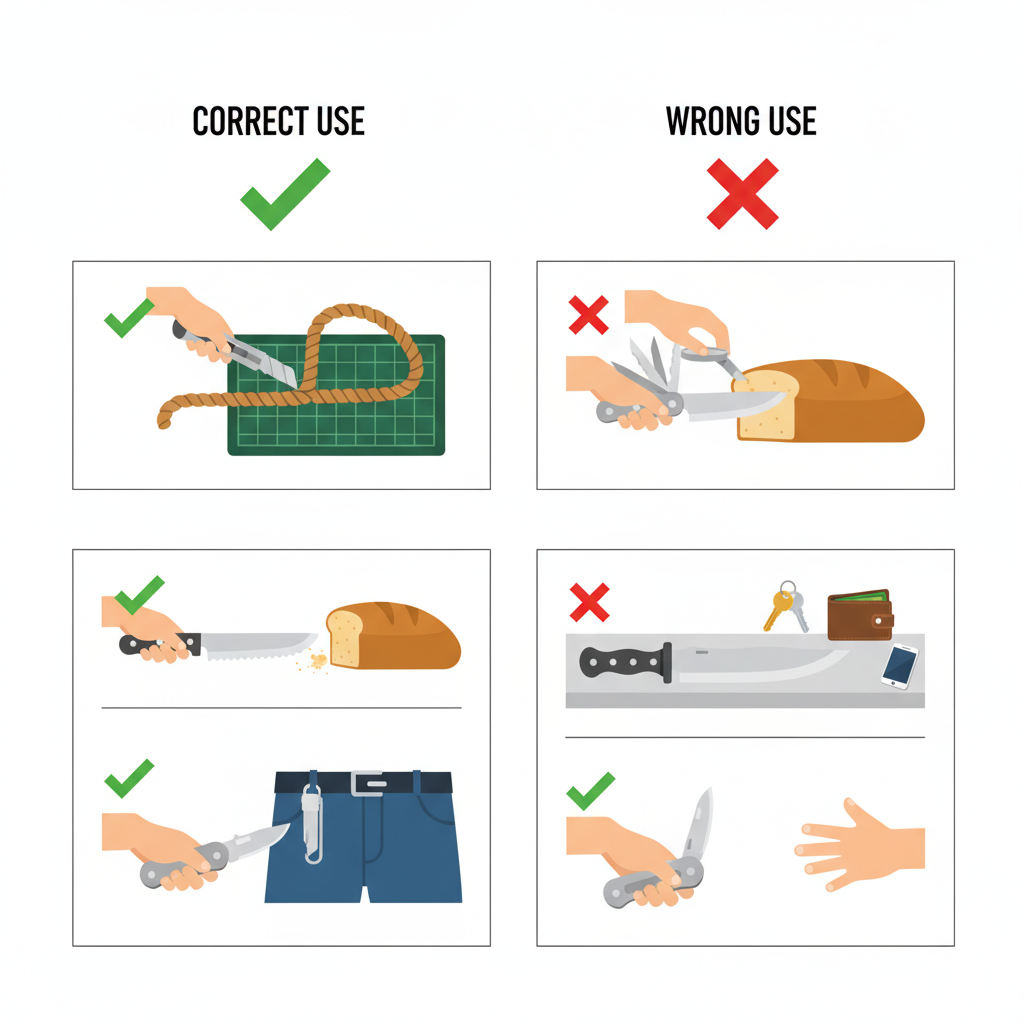
These mistakes cause most disappointment and most safety issues.
A knife is not a pry bar. Prying stresses the tip and the edge in ways they are not designed for. If you need leverage, carry the right tool.
Serrations can be great for specific tasks like rope or crusty materials, but they are harder to maintain. If you want easy upkeep, a plain edge is usually the better daily choice.
A knife that stays in a drawer does not solve problems. Choose a knife you will carry comfortably every day, then add a second knife for specific outdoor or field use if needed.
If opening and closing feels awkward, you will avoid using the knife. Deployment and lock operation are performance features, not extras.
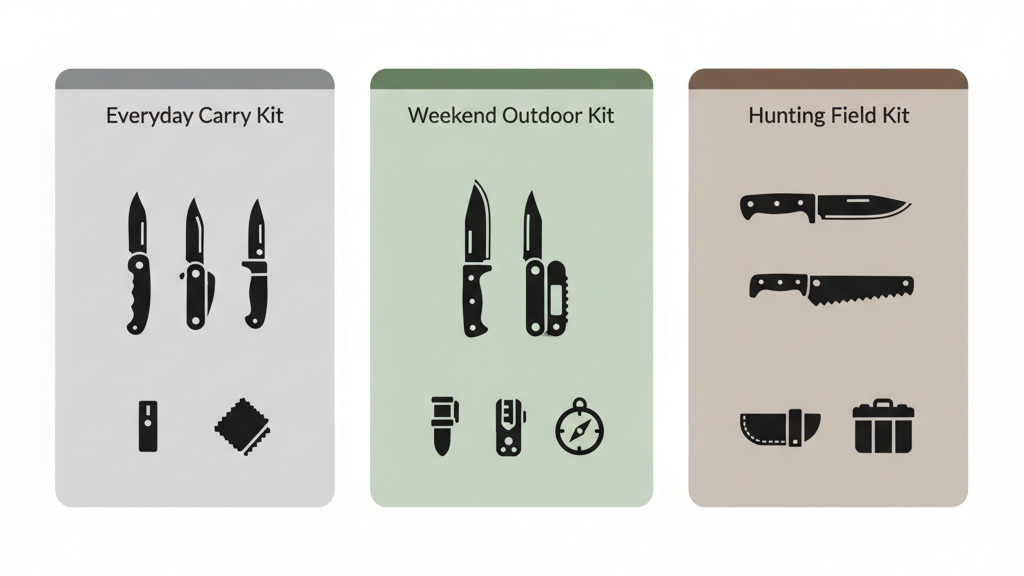
If you want a simple approach, use these setups as starting points.
The goal is coverage without bulk.
This reduces wear on the folding knife and makes cleanup easier.
Choose blade shape for control and clean slicing rather than maximum size.
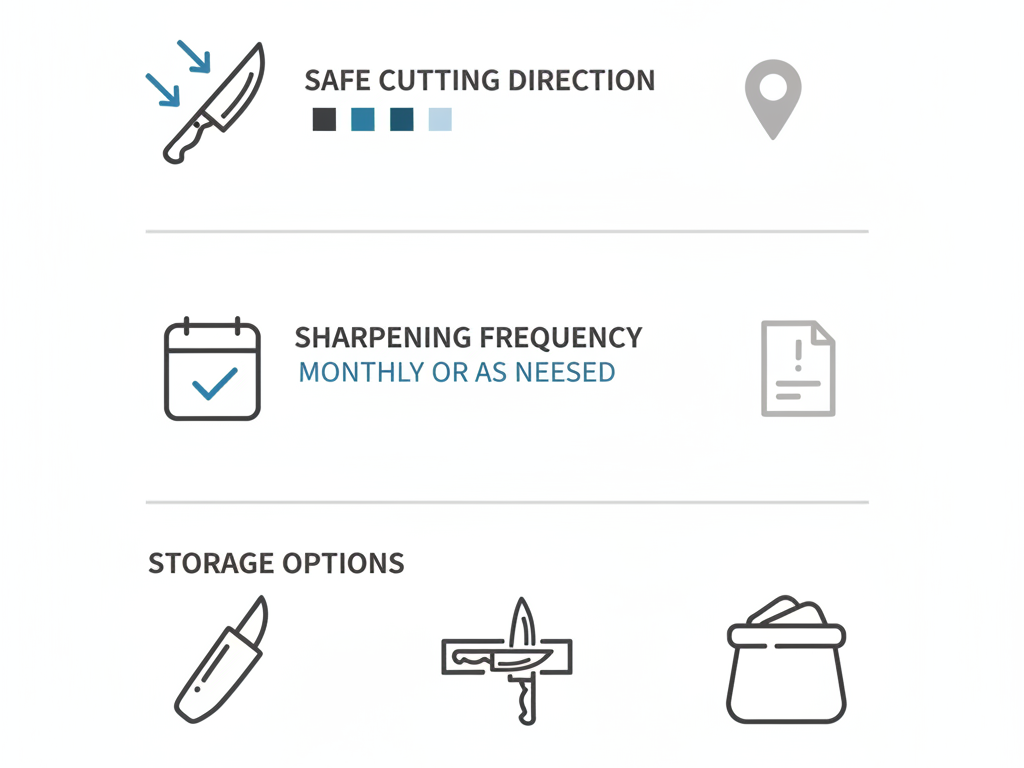
Knife performance is only useful if you can use it safely and keep it working.
Most injuries come from rushed cuts, not difficult materials.
Sharp knives cut where you guide them. Dull knives force you to push harder, which increases slip risk. If you carry a knife, plan a sharpening routine that is realistic.
Carry rules vary by region. If you travel or commute across different areas, choose a knife type and carry method that you can keep consistent with local expectations.
What knife type is best for EDC
A folding pocket knife is the most common choice because it is compact, easy to carry, and fast for daily utility tasks. Choose one you will actually carry every day.
Fixed blade vs folding for outdoor use
If you expect dirty work, repetitive cutting, or quick cleanup, a fixed blade is often the better tool. If carry convenience matters most, a folding knife can still handle many outdoor tasks when used within its limits.
Which blade shape is most versatile
Drop point shapes are widely considered the most versatile because they balance tip strength, control, and general-purpose cutting performance.
Do I need a multi-functional knife if I already carry a folder
If your daily problems are more about small tools than blade work, a multi-functional knife can add real utility. If your tasks are primarily cutting, a dedicated folder and good sharpening routine may serve you better.